How Different Generations Experience, Understand, and Respond to News and Digital Media | News and digital media have become an essential part of everyday life, but not everyone consumes them in the same way.
A teenager scrolling through short videos on a smartphone may experience news very differently from a Baby Boomer reading a printed newspaper in the morning. A young professional might discover breaking news through social media, while an older adult may prefer television or established news websites.
These differences are influenced by technology, culture, education, life experience, and the media environments people grew up with.
Understanding how different generations experience, understand, and respond to news and digital media can help explain why people often have very different reactions to the same information.
1. Baby Boomers: Traditional Media and Established Sources
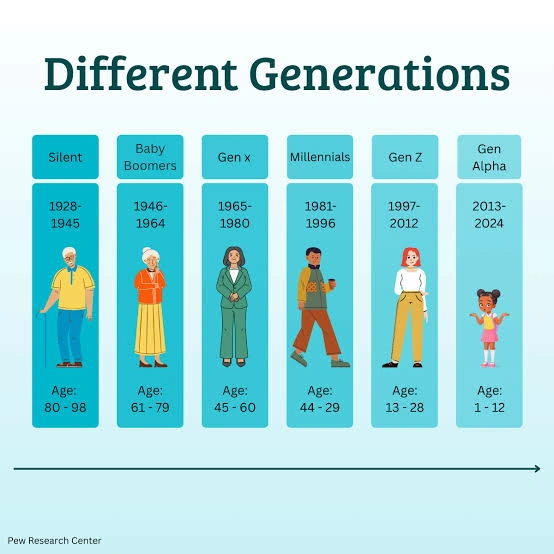
Baby Boomers, generally born between the mid-1940s and mid-1960s, grew up when television, radio, and newspapers were the dominant sources of news.
Many members of this generation developed their media habits before the internet became part of everyday life.
As a result, traditional news formats can still feel familiar and trustworthy.
Television news, newspapers, radio programs, and established news websites remain important sources for many older adults.
How they experience news
Baby Boomers may be more comfortable with:
- Television news
- Newspapers
- Radio
- News websites
- Longer articles
- Scheduled news programs
However, this does not mean older adults avoid social media. Many have adopted platforms such as Facebook and YouTube to stay connected with family, friends, and current events.
Their digital habits can therefore combine traditional media with newer platforms.
2. Generation X: The Bridge Between Two Media Worlds
Generation X, generally born from the mid-1960s through around 1980, experienced both the traditional media era and the rise of the internet.
This makes the generation particularly interesting.
Many Gen X adults remember a world before smartphones and social media but have also spent years using computers and digital platforms.
They effectively became a bridge between analog and digital media.
How they consume information
Gen X users may switch between:
- Television
- News websites
- Search engines
- Social media
- Podcasts
- Email newsletters
- Online video
Because they experienced the transition personally, they may be comfortable using both traditional and digital sources.
3. Millennials: Digital News as Part of Everyday Life
Millennials grew up during the rapid expansion of the internet.
Many remember using desktop computers, early social networks, blogs, online forums, and eventually smartphones.
For this generation, finding information online became normal at a relatively young age.
Social media changed their news habits
Millennials are often comfortable discovering news through social platforms.
Instead of intentionally visiting a newspaper website, they may encounter a story while scrolling through a social feed.
This creates an important difference between searching for news and discovering news.
A headline, video, meme, or post can introduce a person to an important story without them actively looking for it.
4. Generation Z: Short, Visual, and Mobile-First
Generation Z has grown up surrounded by smartphones, social media, streaming video, and constant internet access.
For many younger users, the smartphone is the primary gateway to information.
They may encounter news through short videos, creators, social posts, livestreams, podcasts, and messaging platforms.
News is often mixed with entertainment
One major characteristic of modern digital media is that news and entertainment increasingly exist in the same environment.
A user might watch a comedy video, see a breaking-news clip, view a product recommendation, and then watch a livestream—all within minutes.
This can make news feel less like a separate activity and more like part of everyday digital entertainment.
5. Generation Alpha Is Growing Up With AI
Generation Alpha is the youngest generation currently developing media habits.
They are growing up with technologies that previous generations didn’t have during childhood, including AI assistants, algorithmic recommendations, smart devices, and highly personalized digital platforms.
Their relationship with information may therefore be fundamentally different.
Instead of always searching through websites, younger users may increasingly ask AI systems questions and receive summarized answers.
This could change the traditional relationship between people and online information.
6. Each Generation Has a Different Definition of “News”
The word “news” doesn’t necessarily mean the same thing to everyone.
For an older adult, news might mean a scheduled television broadcast or the front page of a newspaper.
For a younger person, news might be a 30-second video appearing in a social media feed.
This difference matters because the format can influence how people understand information.
Long-form articles provide context and detail.
Short videos provide speed and accessibility.
Podcasts offer conversation and analysis.
Social media posts encourage rapid sharing and reaction.
Each format creates a different experience.
7. Speed Has Become Increasingly Important
The internet has dramatically changed expectations around how quickly people receive information.
Older generations may be accustomed to waiting for scheduled television broadcasts or the next day’s newspaper.
Younger users can receive breaking news within seconds.
Notifications, livestreams, social media posts, and messaging apps can deliver updates almost immediately.
However, speed has a downside.
The first information available during a breaking story may be incomplete or incorrect.
This creates a tension between being first and being accurate.
8. Different Generations Evaluate Trust Differently
Trust is one of the most important differences in digital media consumption.
People from different generations may rely on different signals when deciding whether information is credible.
Older users may place greater value on established institutions and recognizable news organizations.
Younger users may pay more attention to individual creators, community discussions, comments, and peer recommendations.
Neither approach is automatically reliable.
A familiar institution can make mistakes, while an independent creator can sometimes provide valuable reporting.
The challenge for everyone is learning how to evaluate the actual evidence behind a claim.
9. Algorithms Influence Everyone
Although generations consume media differently, one thing increasingly affects everyone: algorithms.
Digital platforms recommend content based on factors such as previous behavior, interests, engagement, and viewing patterns.
This means two people can open the same platform and see completely different versions of the news.
Over time, personalized feeds can influence what people notice and which topics they consider important.
Understanding algorithms has therefore become an important part of modern media literacy.
10. Digital Literacy Is More Important Than Ever
Regardless of age, users need the ability to evaluate information critically.
Digital literacy includes knowing how to:
- Check the original source
- Compare multiple sources
- Identify misleading headlines
- Recognize manipulated images and videos
- Distinguish opinion from reporting
- Check publication dates
- Understand how algorithms shape feeds
- Question information that triggers an emotional reaction
These skills are increasingly important as AI-generated content and synthetic media become more common.
11. Emotional Reactions Can Shape How News Spreads
People don’t always share information because it is accurate or important.
They may share it because it makes them angry, surprised, amused, frightened, or excited.
Social media platforms are particularly effective at spreading emotionally engaging content because strong reactions often encourage comments, shares, and further interaction.
This affects every generation, although younger users may encounter these dynamics more frequently because of their heavy use of social platforms.
12. The Future Will Be More Personalized
The future of digital media is likely to become increasingly personalized.
AI systems may summarize stories according to an individual’s interests, preferred language, reading level, or available time.
Someone might ask for a two-minute summary of a complex story, while another person might request a detailed explanation with historical context.
This could make information more accessible.
However, personalization also creates risks if people only encounter information that confirms what they already believe.
Different generations experience news and digital media through different technological and cultural backgrounds.
Baby Boomers often have stronger connections to traditional media. Generation X experienced the transition from analog to digital. Millennials grew up alongside the expanding internet. Generation Z is largely mobile-first and accustomed to social media. Generation Alpha is growing up in an environment increasingly shaped by AI and personalized technology.
Despite these differences, every generation faces the same fundamental challenge: how to determine what information deserves to be trusted.
The technology may change, but critical thinking remains essential.
As news becomes faster, more visual, more personalized, and increasingly influenced by artificial intelligence, media literacy will become one of the most valuable skills people can develop—regardless of their age.